Did you know? Creating a garden utilizing native plants is easier than you think. And bonus: it’s good for the environment, pollinators, and local wildlife. We connected with John Clese, Owner of Lake Effect Garden and Design, to learn exactly how it can be done.
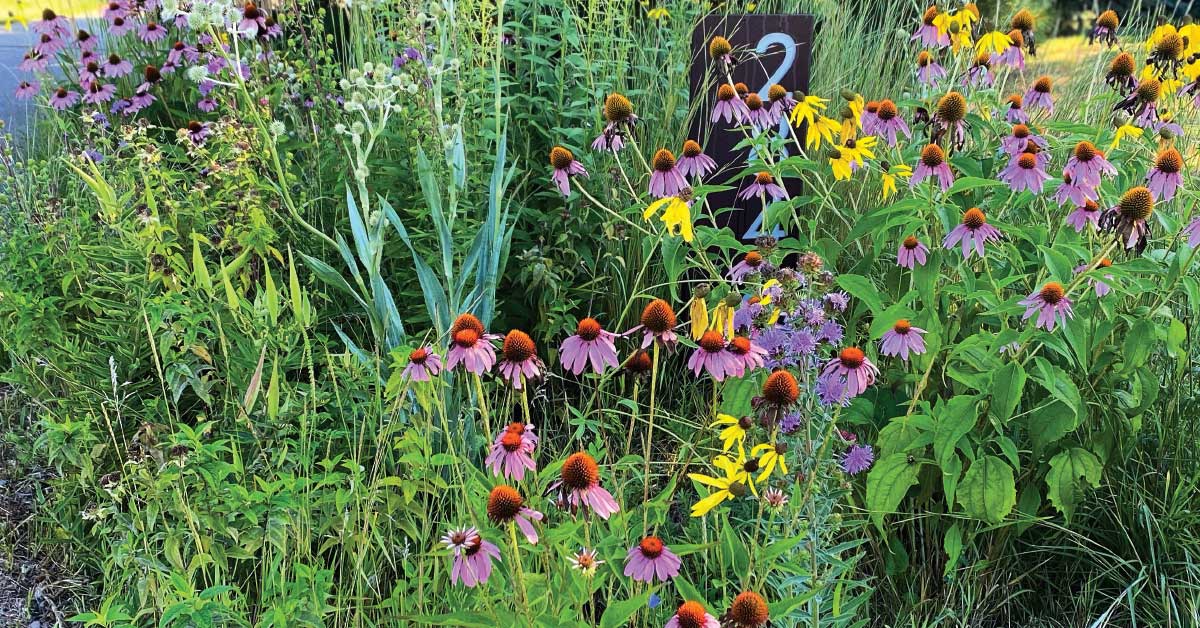
According to Clese, non-native plants essentially offer the same benefits as a pink plastic yard flamingo. Alternatively, the benefits of native plants abound. And whether you prefer a more manicured look or one that more closely channels a wildflower field, you can do both using native plants.
“When you plant the straight native species of plants local to Michigan or those found along the Great Lakes, you’re planting species that have survived thousands of years in the same location,” said Clese, who’s also a board member for nonprofit Restoration Earth. “These plants have been through it all and can adapt, meaning you're planting a pretty resilient landscape. You're also providing essential food and shelter for animals, insects, and pollinators that have evolved alongside these species and rely on them as primary food sources.”
The deep roots of native plants, Clese explains, also help to increase water absorption by slowing runoff after heavy rains and thereby reducing flooding. They also reduce water use, as native flowers and grasses only require watering during the first three months after their planting (the establishment period) and don’t require additional water thereafter to survive.
When it comes to placement, Clese reminds us of the saying, “right plant, right place,” as even native plants should be planted in areas they’ll thrive in. This means understanding if your soil is dry or wet, whether you're planting in sun, shade, etc. He also emphasized the importance of never using insecticides with native gardens.
Worried about weeds? Don’t be. Clese recommends planting more plants closer together (which prevents sunlight from reaching the ground) to eliminate the need for mulching and ultimately reducing maintenance, too. The best time to get started with your garden, he says, is either early spring or late fall.
“Prepare the planting area by removing unwanted vegetation, either through herbicide treatment or by using a sod cutter if converting lawn areas,” he said. “You want to avoid disturbing the soil too much before planting, as this will only activate dormant weed seeds.”
If you’re interested in still having a manicured look to your native garden, Clese recommends choosing plants that are smaller in stature (three feet tall or less), opting for species that have a clump forming habit rather than sprawling, and utilizing a “block planting” method.
Clese suggests leaving perennial and larger meadow gardens uncut in the winter months.
“Enjoy the tawny browns and dark seed heads in the fall, all the while providing seeds and shelters for animals and insects,” he said. “In the spring, you can either cut your plants to about six inches off the ground, and leave the plant debris, burn your garden, or leave it up entirely and let the new growth push through the old plants. It's best to rotate maintenance every couple of years, as each strategy affects plants and insects differently.”
Professionals like Clese offer vast knowledge and can often grant you access to harder-to-find native plants, but you can certainly DIY your own native garden.
“If you're ready to buy, you can do so through mail order, look up native plant nurseries and find out when they have open sales to the public, and contact your local county conservation districts, which also have native plant sales,” Clese shared. “Start small and expand from there. Completely converting your landscape to natives can be daunting, so start with small perennial beds and a few native shrubs and trees and expand from there.”
POPULAR NATIVE MICHIGAN PLANTS:
Cardinal Flower, Butterfly Weed, Purple Coneflower, Wild Columbine, Blazing Star, Riddell’s Goldenrod, Joe Pye Weed, Prairie Dropseed, Little and Big Bluestem, and Side Oats Grama.
“Did you know? We even have a native cactus you can grow in Michigan: Eastern Prickly Pear!” - John Clese
NATIVE PLANT & GARDENING RESOURCES:
- canr.msu.edu/nativeplants/plant_facts
- nativeplantfinder.nwf.org
- “Bringing Nature Home” by Douglas W. Tallamy
Written by Sarah Suydam, Managing Editor for West Michigan Woman.
This article originally appeared in the Spring ’26 issue of West Michigan Woman.
Photo courtesy of Lake Effect Garden and Design LLC.