
When I decided to host a screening of The M Factor 2, Before the Pause: Perimenopause in Grand Rapids last month, I knew it would resonate. But I don’t think I anticipated just how deeply our community was craving this conversation.
As one of just 10 cities selected for the film’s opening tour, Grand Rapids became part of a much larger national movement to bring perimenopause out of the shadows and into the center of healthcare dialogue. What unfolded that evening was more than just a screening—it was a powerful reminder that when space is created for honest, evidence-based conversations about women’s health, people show up.
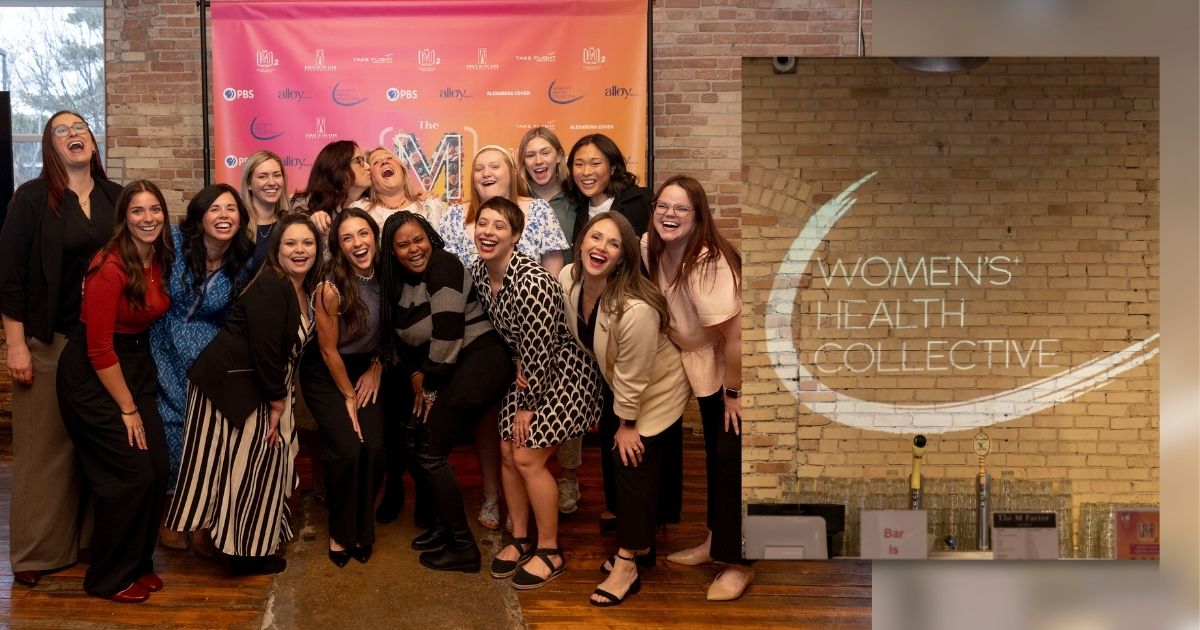
The energy in the room was palpable from the start. There was a shared sense of curiosity, relief, frustration, and, for many, long-overdue validation. It was also really important to me to keep this event free for our community, as women face already far too many barriers to the information needed to understand their own bodies and health. Thanks to numerous wonderful sponsors, that wish became a reality. We maxed out our space at Goei Center with 250 people who showed up for community, food, drinks, and to speak directly with experts in the field at no cost to them other than what it took to get out of the house (which I know isn’t easy).
Perimenopausal symptoms often sit in high-shame topics around sex, mental health, body changes, and aging. We teach puberty, sometimes pregnancy, but not perimenopause. Instead, perimenopause is shrouded in silence.
This event was an intentional disruption of the silence.
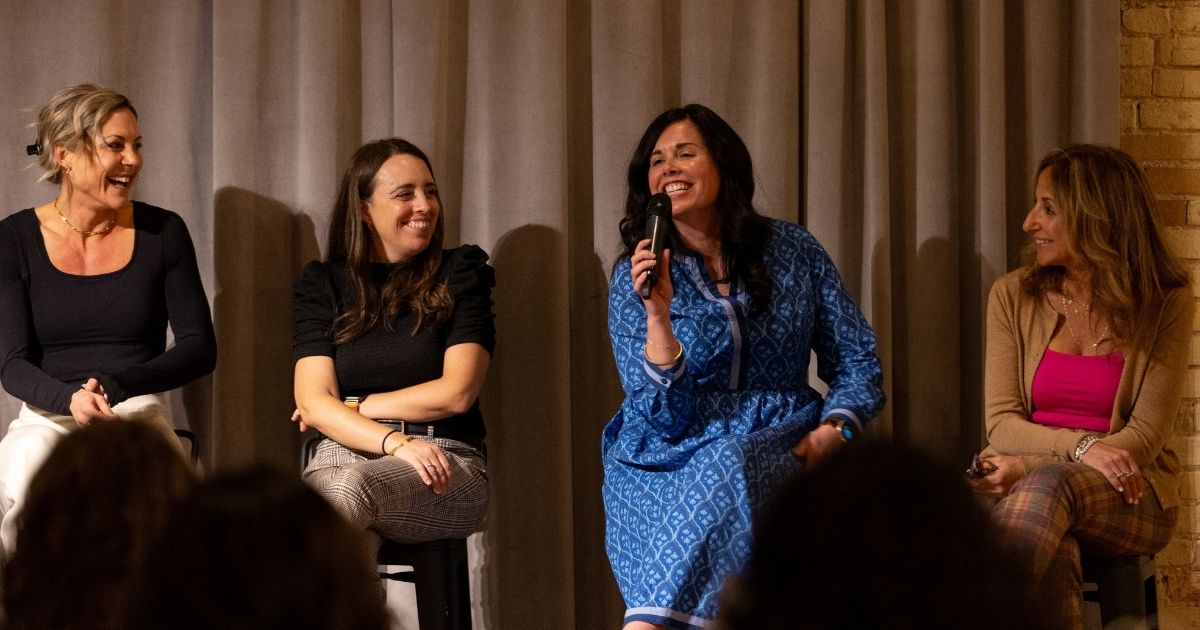
Following the film screening, we hosted a live panel featuring seven expert clinicians across specialties as well as the film’s executive producer, Joanne Lamarca Mathison, each bringing a critical lens to the perimenopause experience.
What made this panel so impactful was not just the depth of expertise, but the interdisciplinary approach. Perimenopause is not a single-system experience—it is neurological, cardiovascular, musculoskeletal, metabolic, and deeply personal. Addressing it requires collaboration, nuance, and a willingness to move beyond outdated care models. If medical practitioners aren’t trained to see that menopause is a system-wide transition, patients get fragmented care, symptom-by-symptom treatment, or just dismissal.
For those who were unable to attend, I’d love to provide some take-aways from our evening.
Vaginal estrogen is safe and effective for nearly everyone with a vagina—even those with a history of breast cancer or stroke! Regular use of vaginal estrogen can decrease rates of vaginal infections, risk of vaginal dryness and pain, risk of urinary tract infections that may lead to sepsis (as well as other urinary concerns), and risk of pelvic organ prolapse. One does not have to be sexually active for vaginal estrogen to be helpful and effective. If I could, I would do like Oprah: YOU get vaginal estrogen, and YOU get vaginal estrogen, and YOU all get vaginal estrogen!
We also talked openly about orgasm and changes in sexual function—topics that are still far too often left out of clinical conversations. In fact, I was thrilled that our very first attendee question led with difficulty with orgasm! Audrey Mitchell, sex therapist and co-owner of Great Lakes Specialty Therapy, had some wonderful advice about pleasure. I may have also made an analogy between orgasms and puppy dogs, as in, if you chase either one, they’re more likely to run away!
We discussed cardiovascular health, underscoring a critical and often underrecognized fact: heart disease remains the number one cause of death in women. Dr. Boyden of Corewell Health Cardiology reminded us that there is a dramatic increase in cholesterol often seen with perimenopause. And, that this is an essential time to assess risk and implement proactive strategies—from lifestyle interventions to medical therapies (when appropriate).
Bone health was another focus. With the accelerated bone loss that occurs during perimenopause, prevention of osteoporosis must begin early. Dr. Abha Gupta Varma of Jivani Concierge discussed resistance training, adequate protein intake, vitamin D, and the role of hormone therapy in preserving bone density for appropriate candidates.
The conversation also turned to metabolism, weight changes, and the growing interest in supplements like creatine, with advice from Andrea Eastway, Menopause certified NP with Healthbar. And you guessed it— weighted vests were discussed!
Breast cancer risk and hormone therapy were, understandably, central topics. These are often the areas where misinformation and fear are most pervasive. Our discussion focused on clarifying current and previous evidence and treatment options per Dr. Jamie Caughran, Breast Oncology Surgeon with Trinity Comprehensive Breast Center. We also discussed the Women’s Health Initiative study results, and acknowledged both risks and benefits while emphasizing that hormone therapy is not a one-size-fits-all solution, but rather a highly individualized decision. For many patients (far more than who are current hormone therapy users), when appropriately prescribed and monitored, it can be a safe and effective tool that significantly improves quality of life.
Erin Walker, certified psychiatric PA with Women’s+ Health Collective, responded to questions around ADHD and focus, acknowledging that while these concerns can be worsened in the perimenopausal transition, they can also begin during this time frame. She reminded us that it’s never too late to be tested!
We talked about behaviors and habits that should begin at younger ages, not with the goal of perfection, but with the goal to build physiologic reserve with regard to bone density, muscle mass, nervous system resilience and hearth and metabolic health. These are some of the buffers that can help determine whether menopause feels like a manageable transition or a system-wide crash. With earlier and more transparent conversations, the onset of brain fog doesn’t need to feel like “I’m losing it”, anxiety doesn’t need to feel like a new psychiatric disorder, low libido doesn’t need to feel like a relationship failure, and pain doesn’t need to feel isolating and confusing.

Perimenopause is not a niche issue—it is a universal experience with mandatory attendance that intersects with nearly every aspect of health.
You deserve care that includes:
-
Hormones when appropriate
-
Pelvic floor therapy
-
Nervous system support
-
Honest, shame-free conversations about sex
My hope at the end of the evening was that attendees didn’t just leave with an increased sense for advocacy, but also permission. Permission to take up space in clinical conversations, to expect nuanced, whole-person care, and to question recommendations that don’t feel right in their body.
The conversation is just getting started. Keep talking, friends! And now you can stream the film on PBS!
Written by Nisha McKenzie, PA-C, founder of the Women’s+ Health Collective and specialist in perimenopause, menopause, pelvic health, and sexual health.
Photos courtesy of Elise Kutt, Mod Bettie.