
Protein really is that girl at the moment. From internet virality to seeing it pop up in processed products everywhere, it’s hard not to notice that protein has truly taken center stage recently. And while protein is an undeniably a key part of any diet, how much it too much? How are you supposed to know what amount of protein is right for you? Is all protein created equal?
We answer all of these questions and more.
WHY IS PROTEIN SO IMPORTANT?
Protein does a lot of heavy lifting for the body, according to Dr. David Rzeszutko, Vice President of Medical and Clinical Operations, Priority Health, making it a powerhouse in your everyday diet.
“It helps build and repair muscle, supports immune function and plays a role in keeping skin, hair, nails, and organs healthy,” Dr. Rzeszutko said. “It can also help you feel fuller longer, which is one reason it is often part of conversations about healthy weight management and balanced eating. That said, protein is not a magic bullet.”
The 2020–2025 Dietary Guidelines for Americans note, Dr. Rzeszutko explained, that most Americans already meet or exceed daily recommendations for total protein intake, even though many people fall short on fruits, vegetables, dairy, seafood, beans, peas, and lentils.
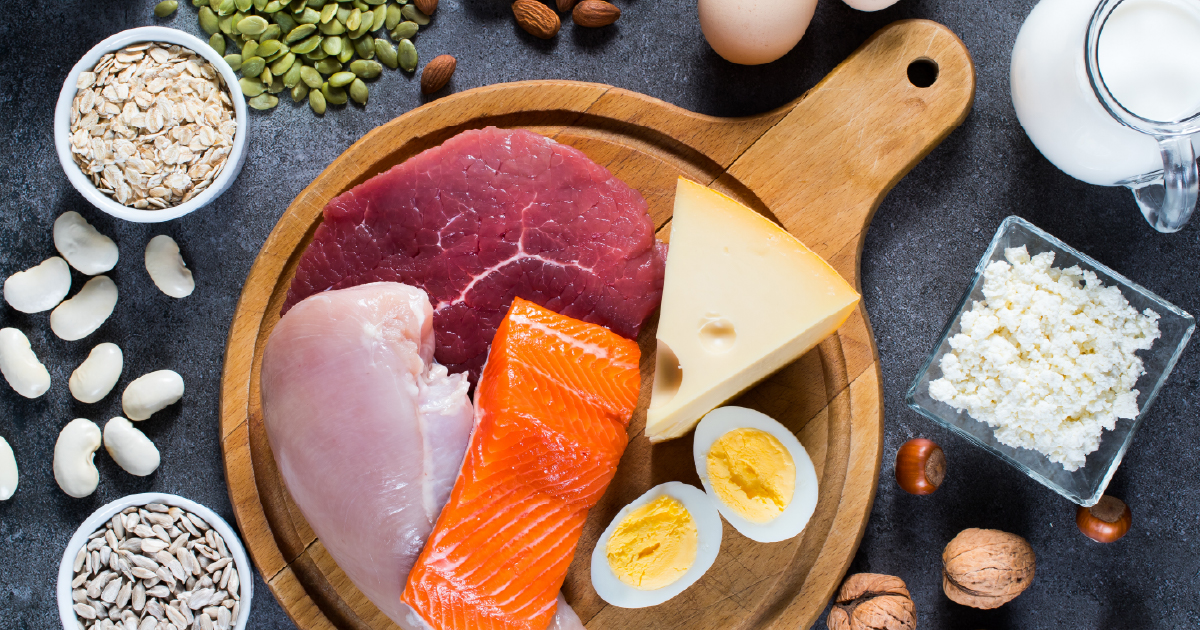
“That is a helpful reminder that the goal is not just ‘more protein,’ but more balance and variety,” he said, noting some notable sources of protein. “Many people first think of chicken, turkey, fish, eggs, Greek yogurt, cottage cheese and lean meats—and those can all be good sources of protein. But there are many plant-based options, too, including beans, lentils, chickpeas, tofu, tempeh, edamame, nuts, seeds and nut butters. Soy foods in particular can be a helpful option for people looking to add more plant-based protein.”
There are even some surprising sources of protein you might not have considered.
“Some lesser thought-of sources include quinoa, whole grain breads, oats and even vegetables, which
may not be high-protein foods on their own but can contribute small amounts throughout the day,” Dr. Rzeszutko shared. He recommends making protein about one-fourth of your plate and choosing a variety of options, including seafood, lean meats and poultry, eggs, beans, peas, lentils, nuts, seeds and soy products.
HOW MUCH PROTEIN SHOULD I BE EATING?
Despite what some online might say, there’s no one perfect amount of protein for everyone, and a lot of factors go into determining what your own body needs.
“Protein needs depend on factors like age, body size, activity level, overall health, pregnancy, certain medical conditions and fitness goals,’ Dr. Rzeszutko said. “Someone who is very active, strength training regularly, or trying to preserve muscle as they age may need more protein than someone who is less active.”
A general starting point for healthy adults, Dr. Rzeszutko explained, is about 0.8 grams of protein per kilogram of body weight per day, though he noted that number can vary.
“About 45-52 grams per day for women and about 55-63 grams per day for men,” he said. “Needs vary based on body size, activity level, health status and more. For many people, the most practical approach is to include a source of protein at each meal and spread it throughout the day.”
WHY IS TOO MUCH PROTEIN BAD FOR YOU?
Though it’s good to focus on hitting your protein goals each day, more protein is not automatically better.
“When people overload on protein, especially through shakes, bars and powders, those foods can start to crowd out other nutrients the body needs, like fiber, vitamins, and minerals from fruits, vegetables, and whole grains,” Dr. Rzeszutko said. “For some people, especially those with kidney disease or other medical concerns, too much protein can create additional strain and should be discussed with a clinician. For most healthy adults, the bigger issue is balance. Your body needs protein, but it also needs carbohydrates, healthy fats, fiber, hydration and a variety of micronutrients to function well.”
IS ALL PROTEIN CREATED EQUAL?
It’s important to remember that not all sources of protein are of the same quality; balance is important.
“Whole foods are usually the best place to start because they bring more to the table than protein alone,” Dr. Rzeszutko recommended, noting these choices tend to support a more balanced eating pattern overall. “Foods like fish, eggs, beans, lentils, yogurt, nuts and seeds also provide nutrients such as fiber, calcium, iron, healthy fats and other vitamins and minerals.”
Dr. Rzeszutko says that while protein powders and processed protein snacks can be convenient and there may be times when they make sense, they are not required for most people, and quality can vary.
“Some products are high in added sugar or sodium,” he added. “Reading the Nutrition Facts label can help people choose products that support, rather than undermine, their health goals.”
Ultimately, Dr. Rzeszutko emphasized that protein is important, but it doesn’t need to be complicated.
“Before spending money on specialty products, look at the meals and snacks you already enjoy and think about simple ways to add balance,” he suggested. “That might mean adding beans to soup, nuts or seeds to oatmeal, Greek yogurt to breakfast or fish, chicken, tofu or lentils to dinner.”
The bottom line, he explained, is that protein should fit your life, not overtake it.
“Aim for variety, pay attention to how your body feels, and talk with your healthcare provider if you are unsure what amount is right for you. A healthy eating pattern is built over time, and small, consistent choices can make a meaningful difference.”
Written by Sarah Suydam, Managing Editor for West Michigan Woman.